


Baku
Explore Baku, the capital of Azerbaijan. Discover top tourist attractions, nature, Old City, modern landmarks, and the best time to visit Baku.
Overview
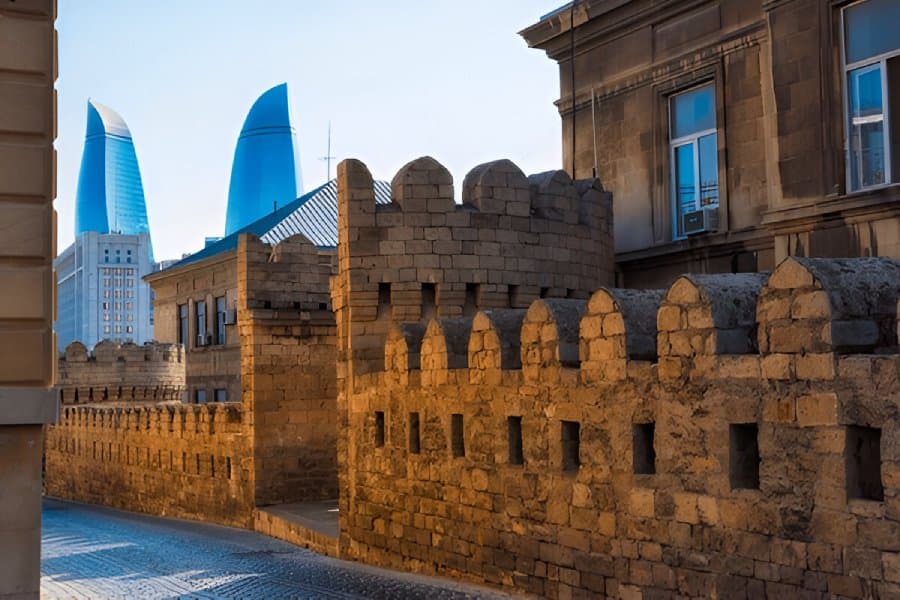
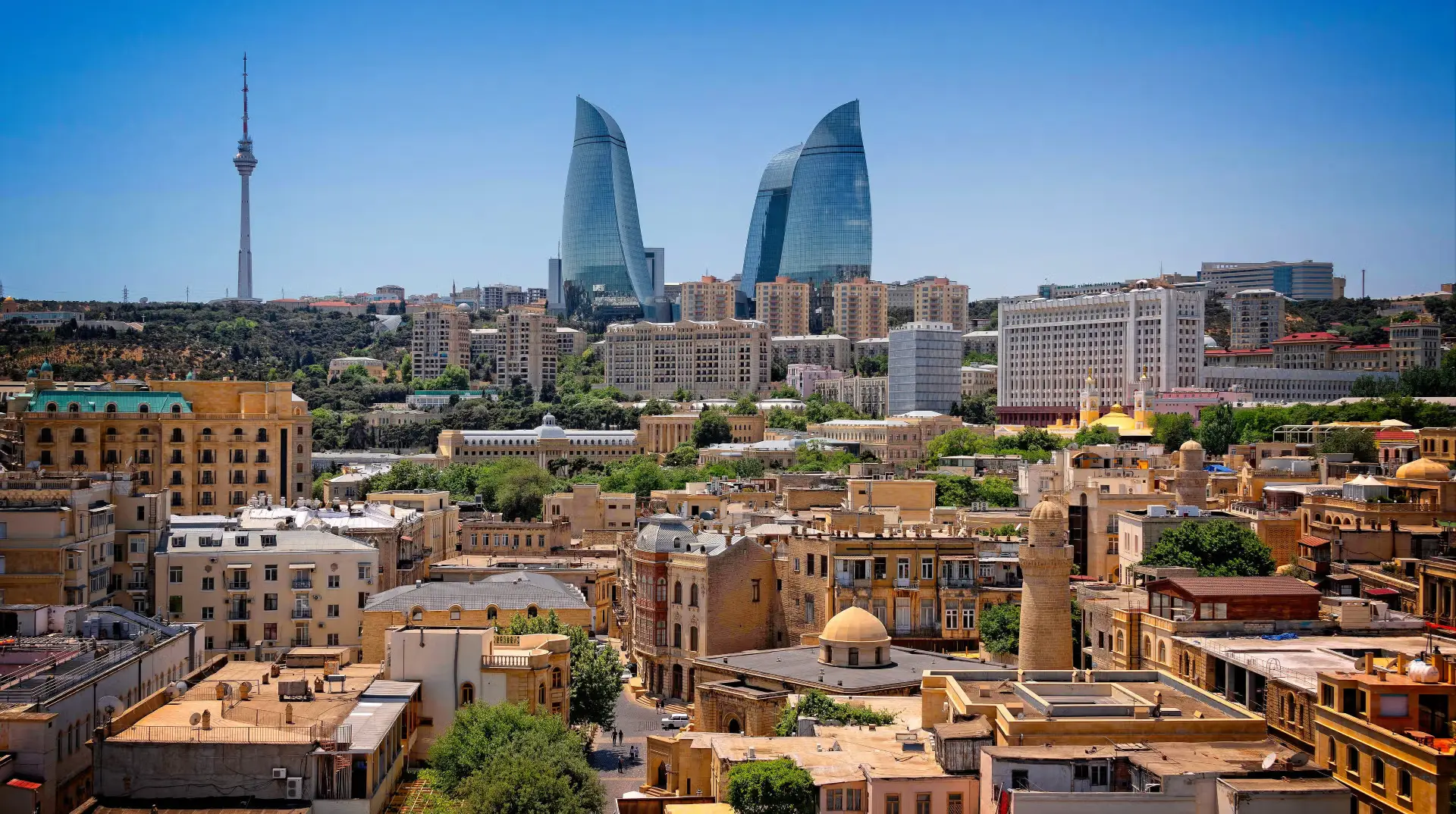
Baku is the capital and largest city of Azerbaijan, located on the western coast of the Caspian Sea. Known as the “City of Winds,” Baku is a fascinating blend of ancient history and modern architecture, where medieval walls stand alongside futuristic skyscrapers. The city has long been an important cultural, economic, and trade center due to its strategic location on historic trade routes and its rich oil heritage. Today, Baku is the main gateway for international travelers to Azerbaijan, offering vibrant city life, rich culture, and diverse sightseeing opportunities.
Nature
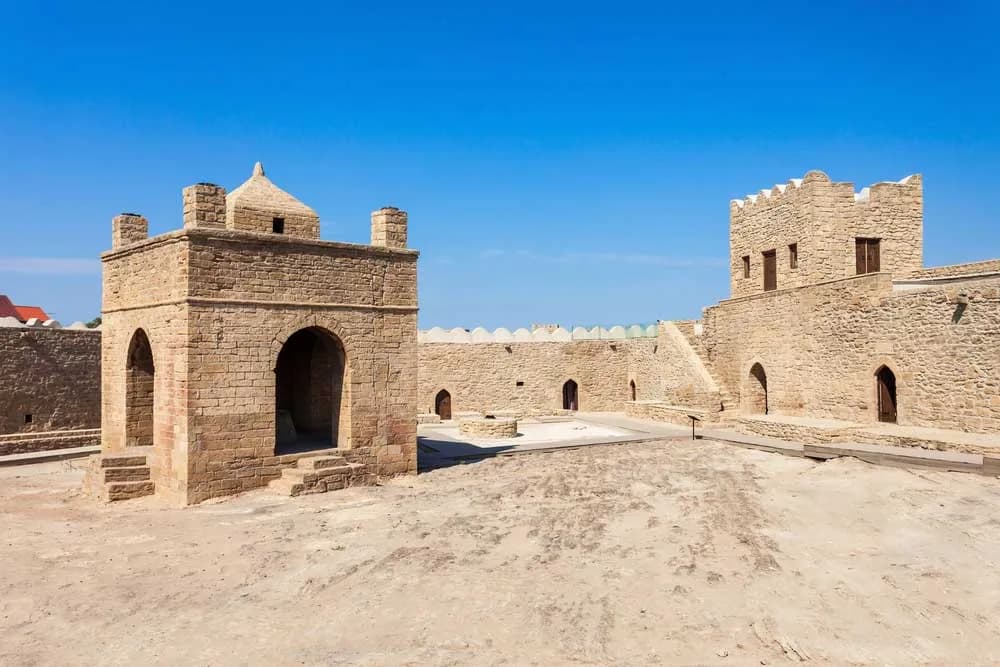
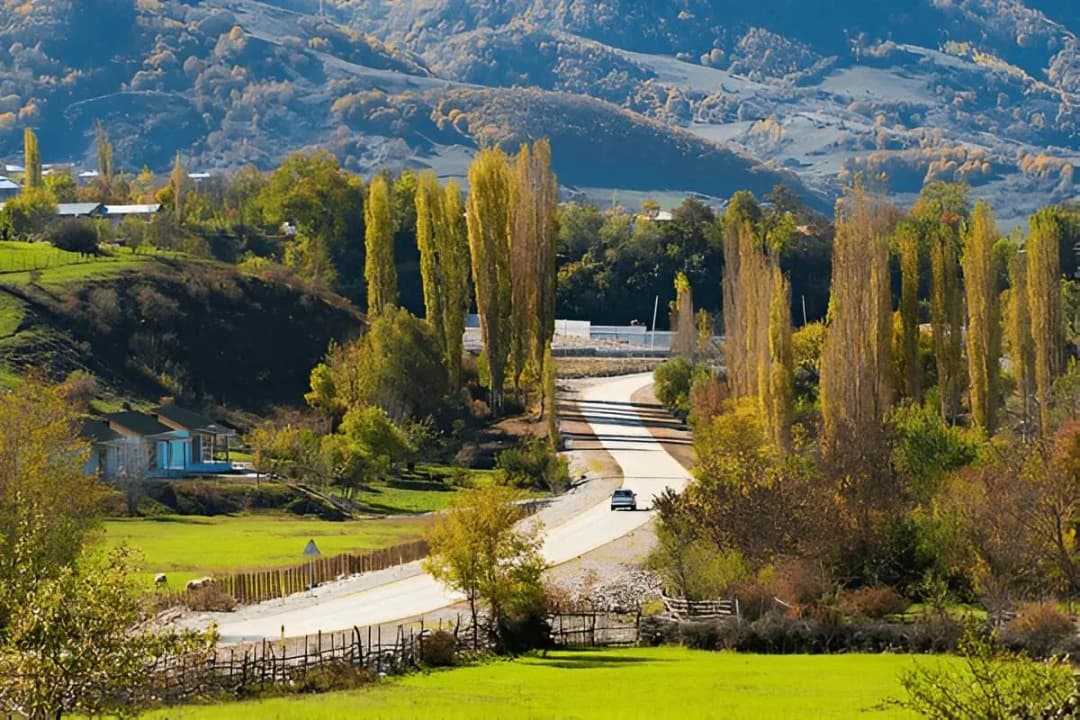
Although Baku is a modern metropolis, it offers several natural and open-air spaces that enhance the urban experience. The Caspian Sea coastline provides refreshing sea views, breezes, and long promenades for walking and relaxation. Baku Boulevard (National Seaside Park) stretches along the waterfront and is one of the city’s most popular recreational areas. Just outside the city, visitors can explore unique landscapes such as semi-desert terrain, coastal areas, and natural phenomena that define the Absheron Peninsula. Baku’s windy climate and seaside setting give the city a distinct natural character.
Tourist Sights
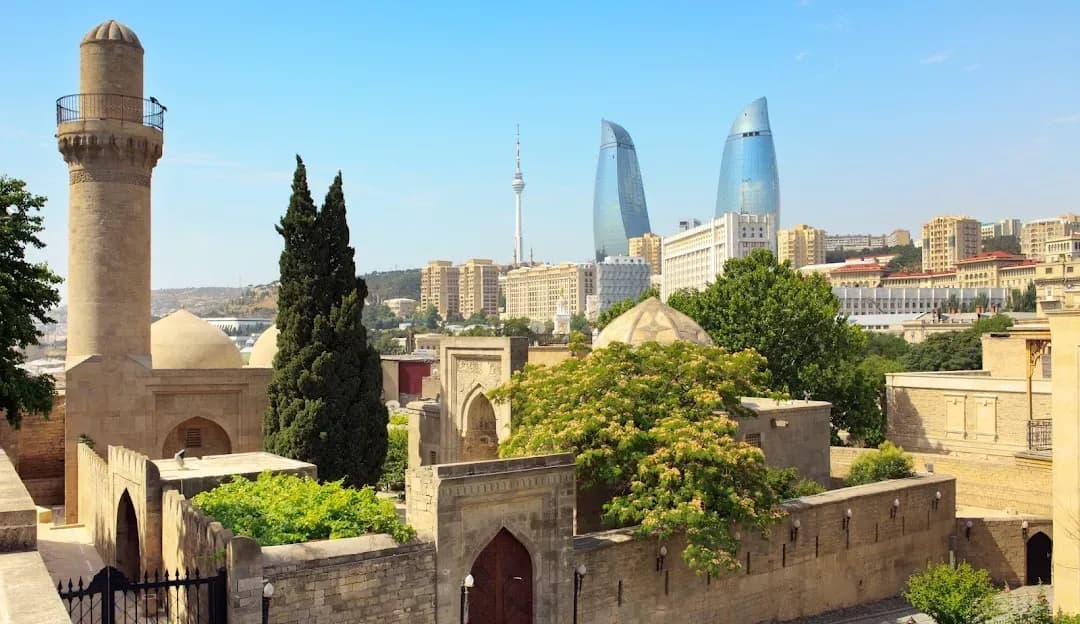
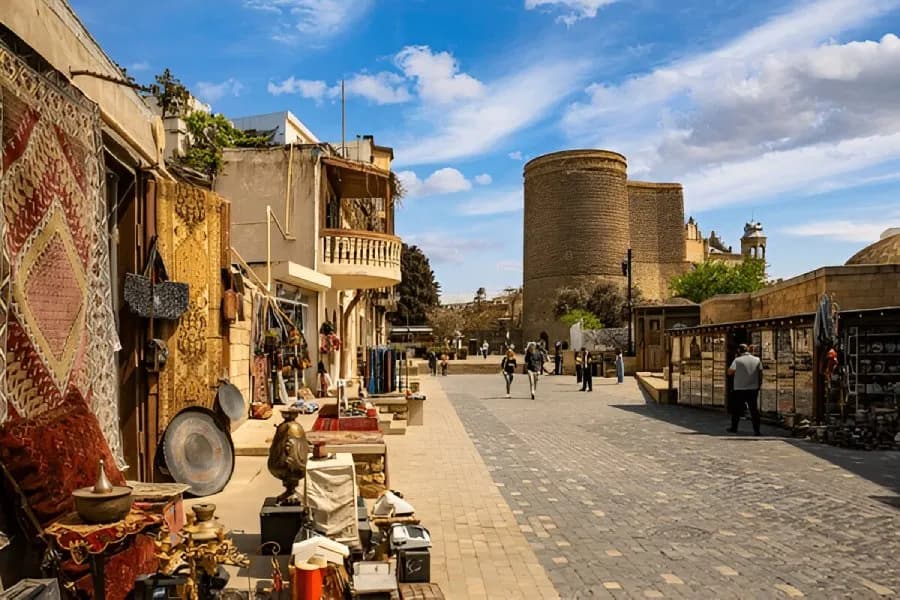
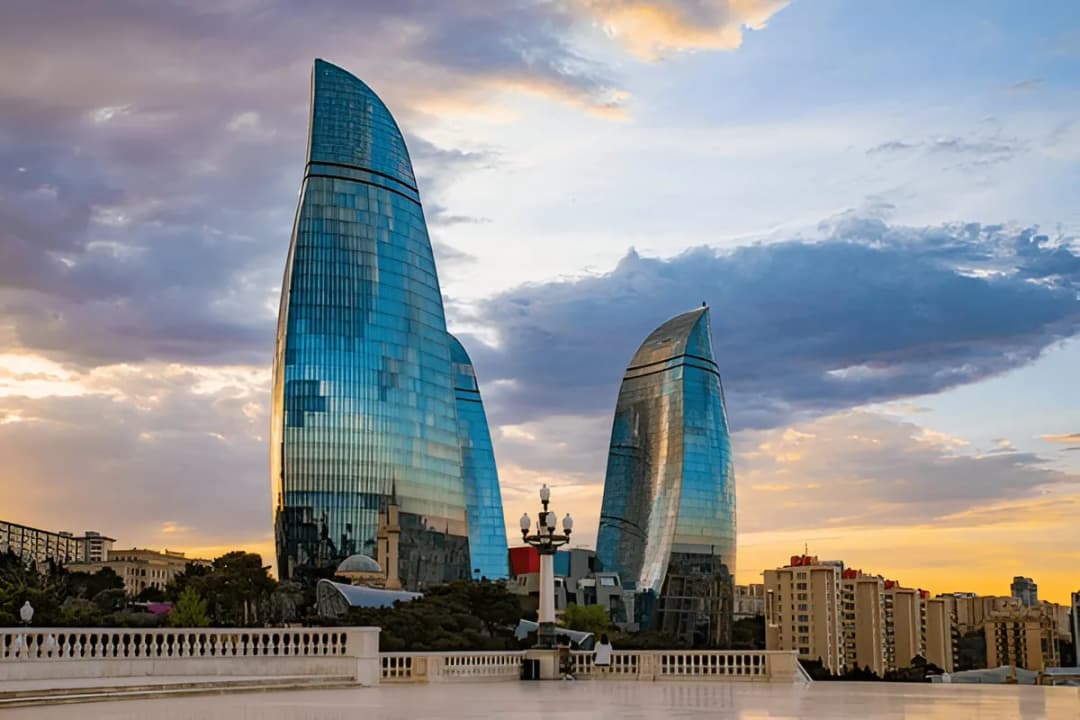
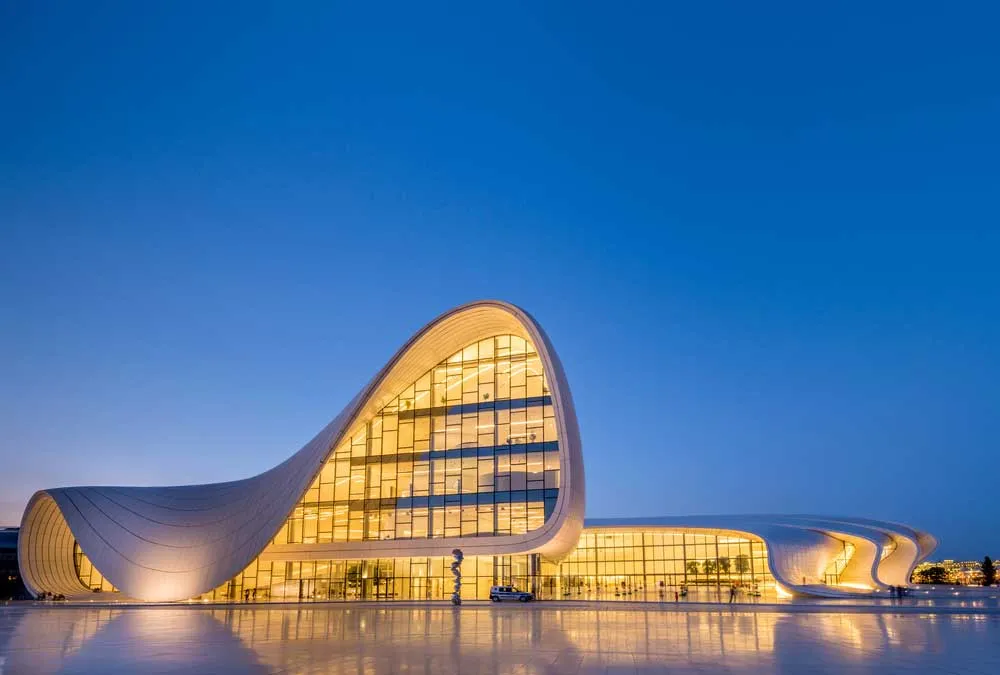
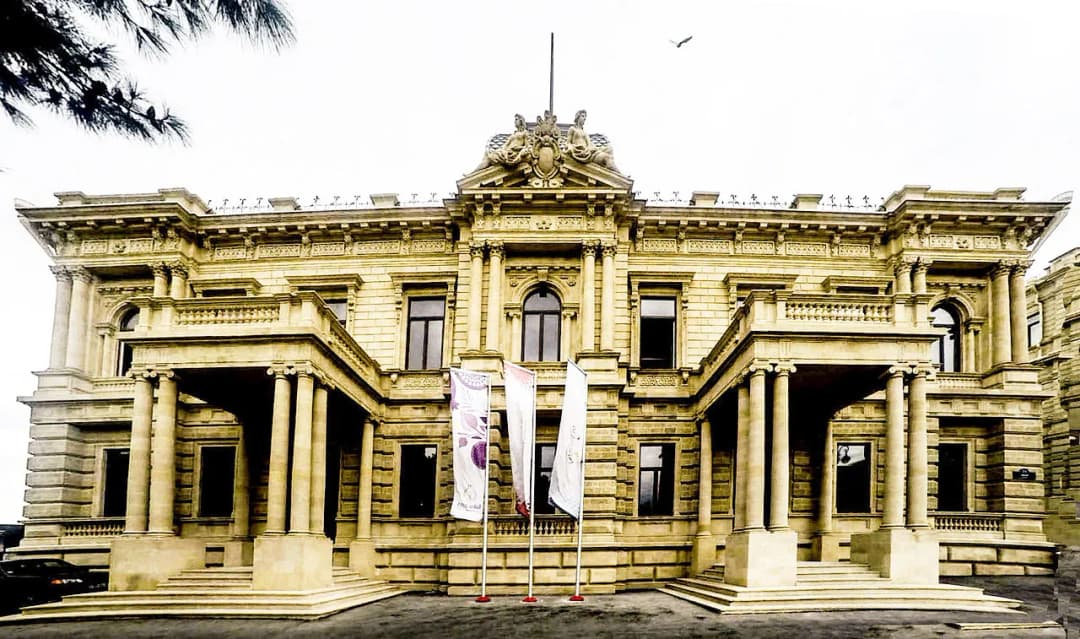
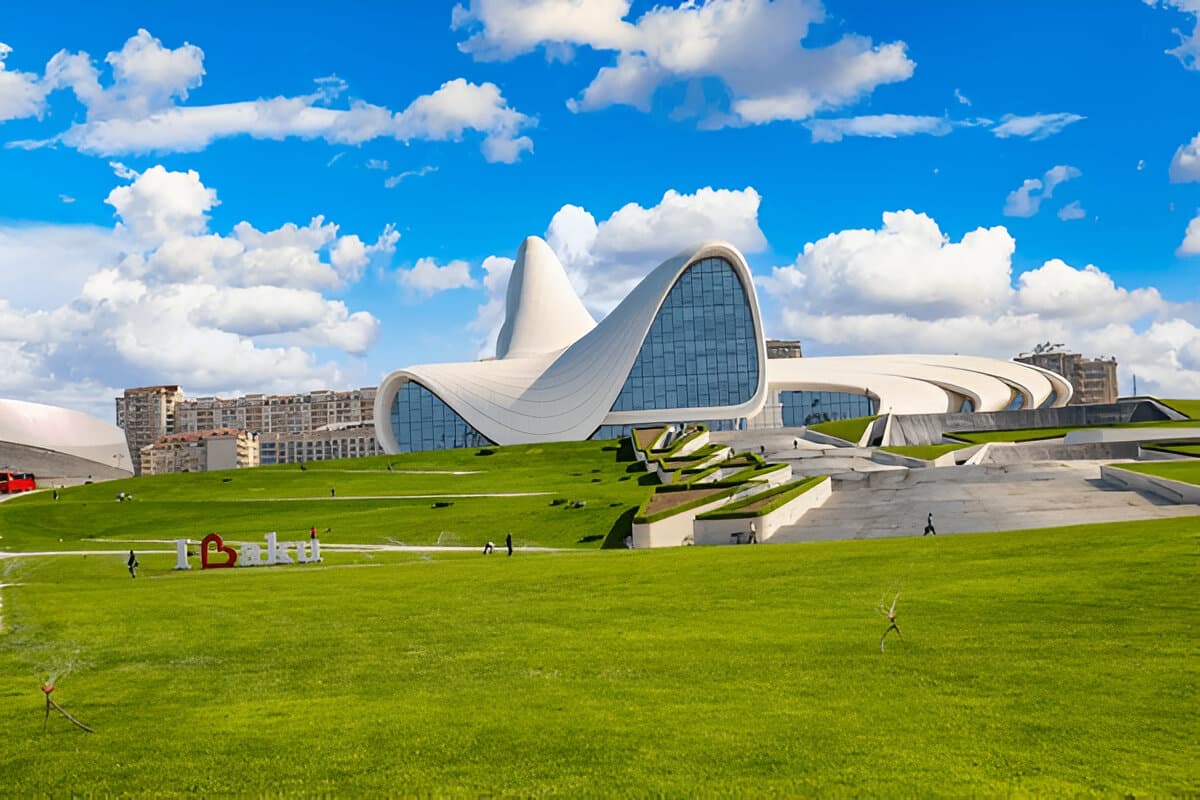
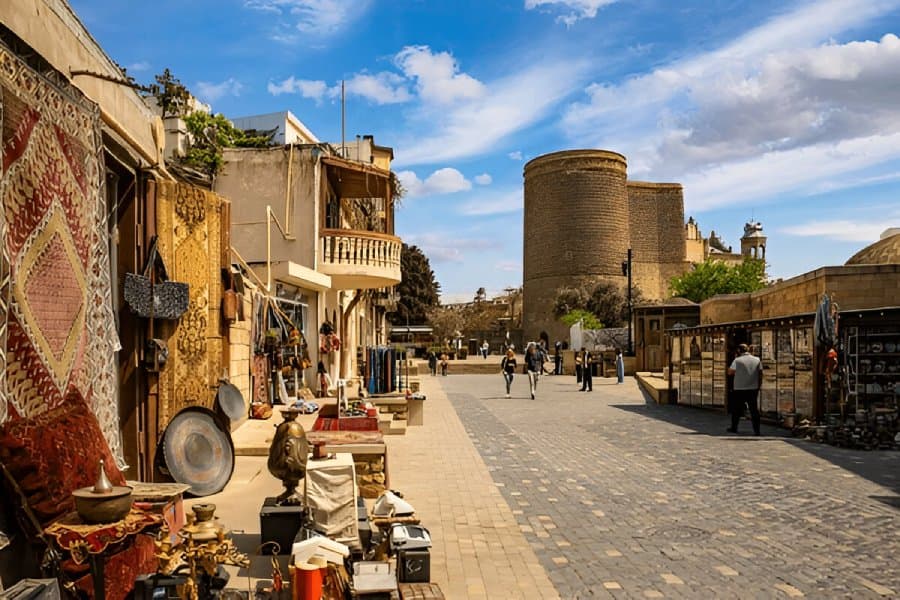
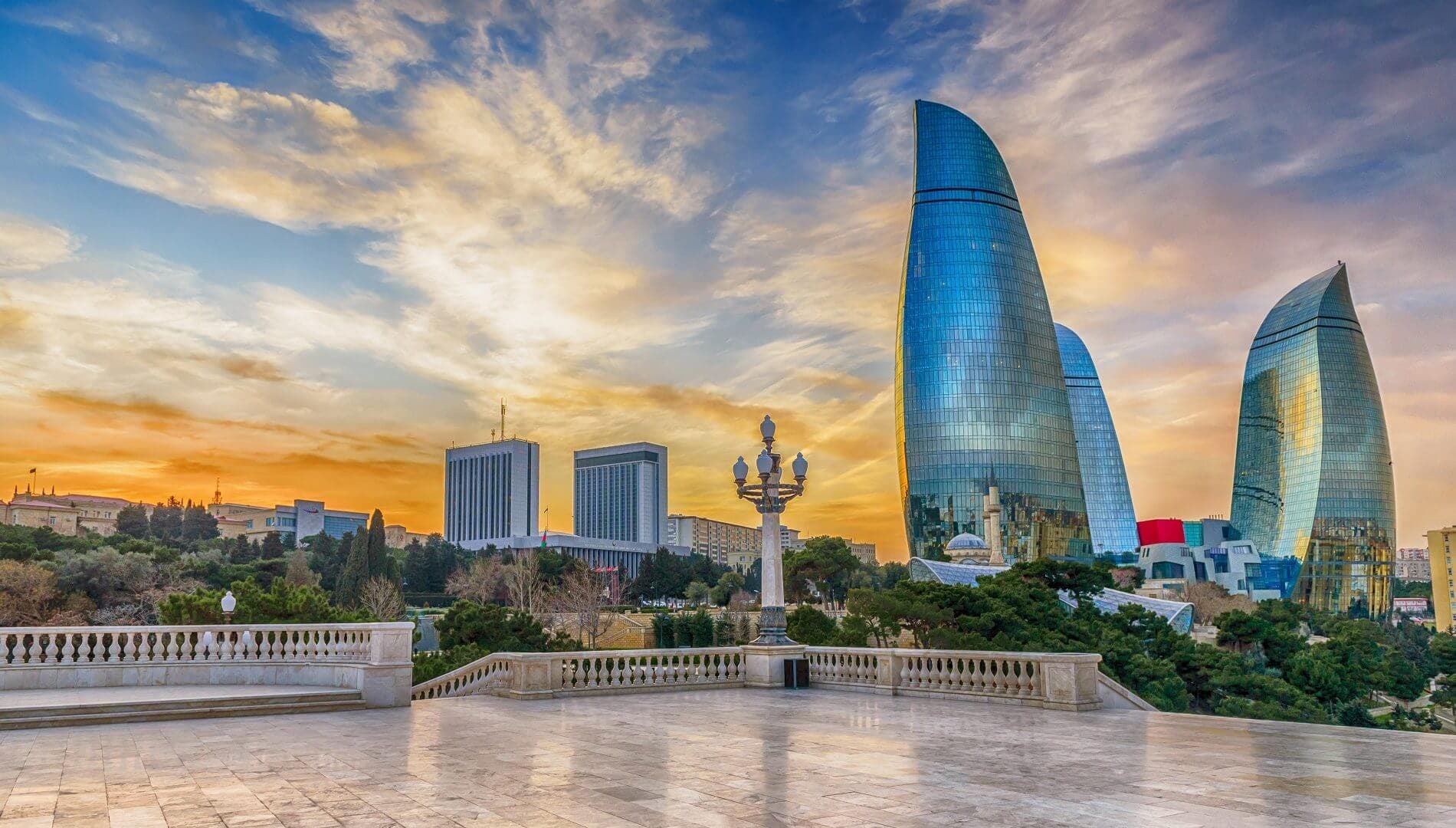
Baku is home to Azerbaijan’s most famous tourist attractions. The Old City (Icherisheher), a UNESCO World Heritage Site, features narrow streets, historic mosques, the Maiden Tower, and the Palace of the Shirvanshahs. Modern landmarks like the Flame Towers and the iconic Heydar Aliyev Center showcase Baku’s contemporary architectural identity. Highland Park offers panoramic views over the city and the Caspian Sea, while Nizami Street is a hub for shopping and city life. Cultural museums, vibrant cafés, and nightlife further enrich the Baku travel experience.
Best Time to Visit
The best time to visit Baku is from April to June and September to October, when the weather is mild and ideal for sightseeing. Spring brings comfortable temperatures and blooming city parks, while autumn offers pleasant conditions and fewer crowds. Summers can be hot and windy, especially in July and August, while winters are generally mild but can be windy and cool, making them suitable for cultural and indoor activities.