
Nakhchivan
Overview
Nakhchivan is an autonomous republic of Azerbaijan located between Armenia, Iran, and Turkey, making it one of the most historically rich and geographically unique regions in the country. Often described as an open-air museum, Nakhchivan is known for its ancient monuments, well-preserved architecture, and deep cultural traditions. According to legend, the region is associated with the resting place of Prophet Noah, adding spiritual significance to its historical importance. Today, Nakhchivan attracts travelers interested in history, archaeology, culture, and untouched landscapes.
Nature
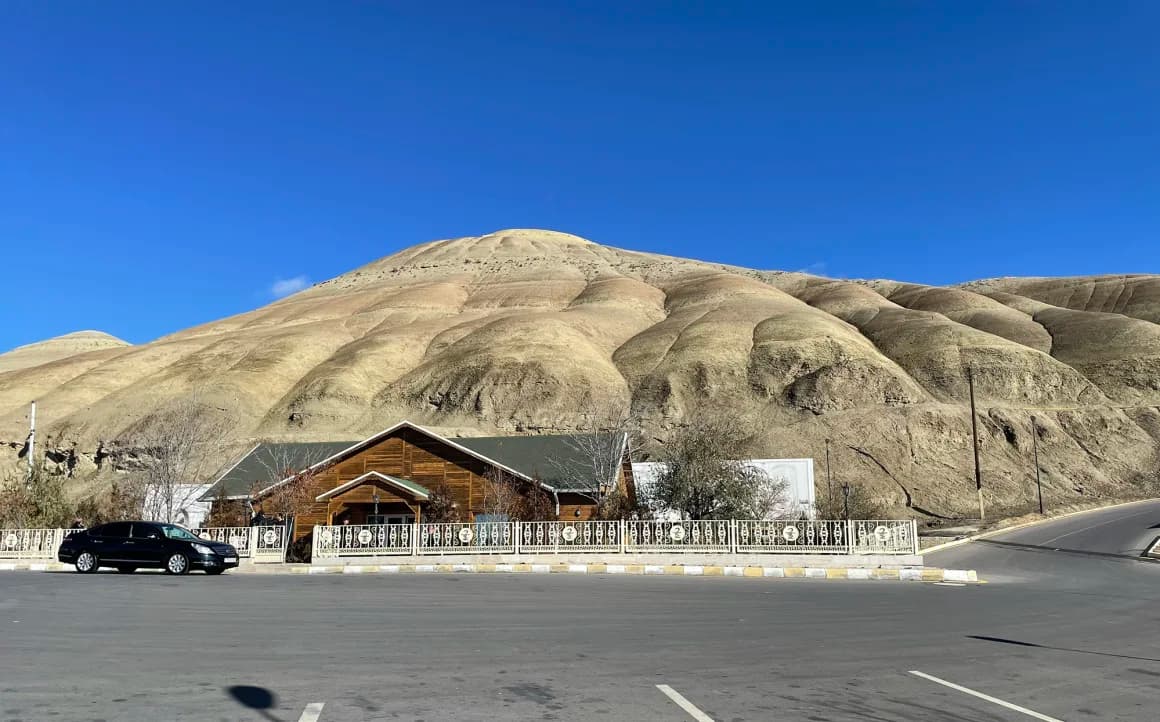
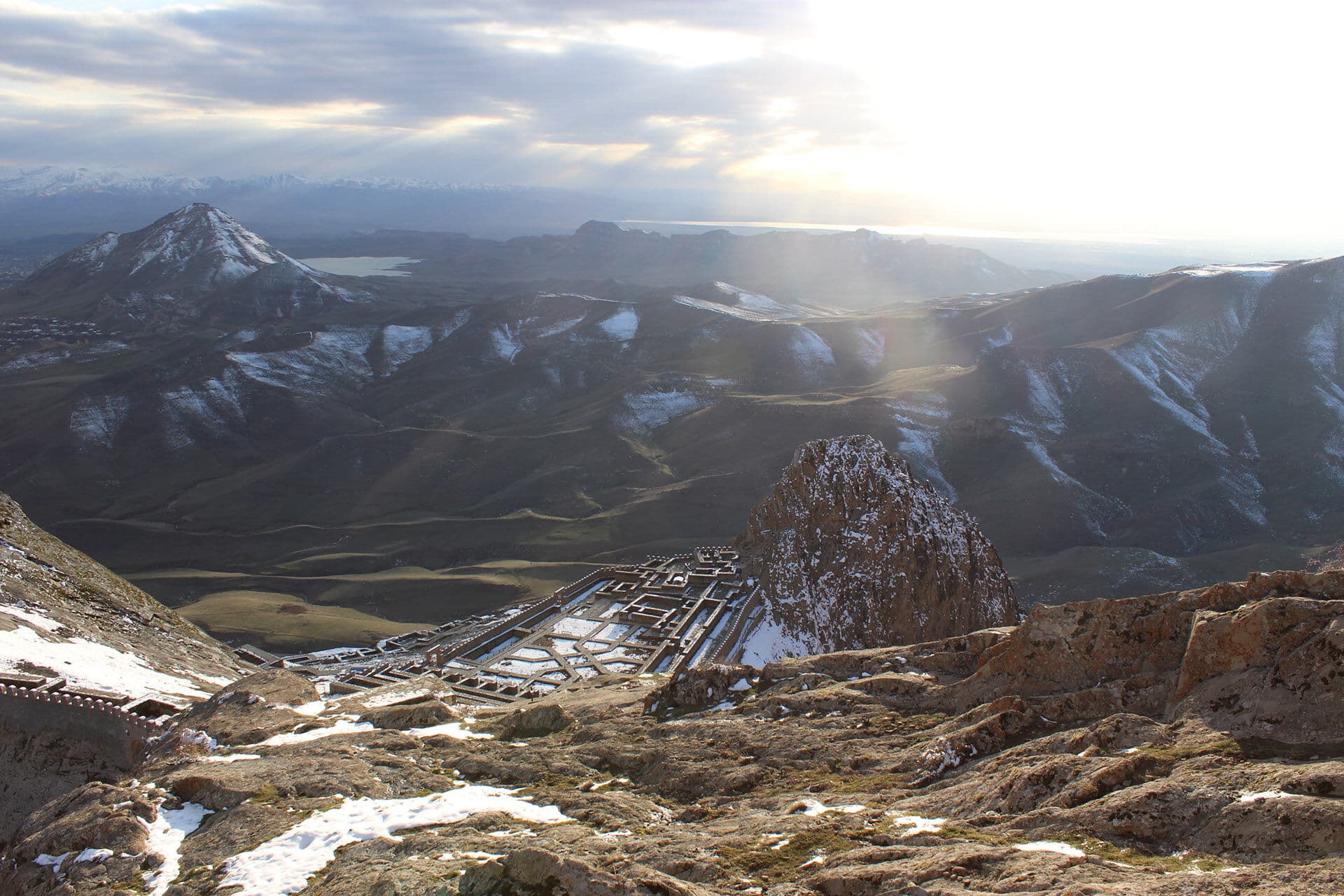
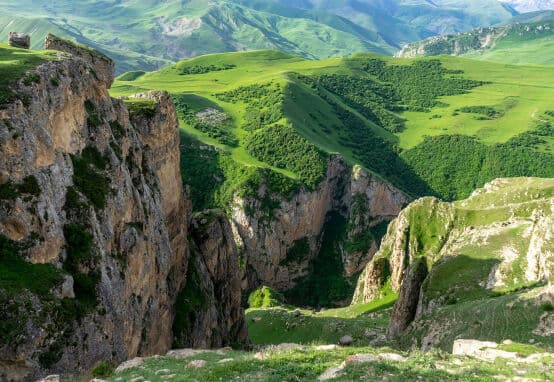
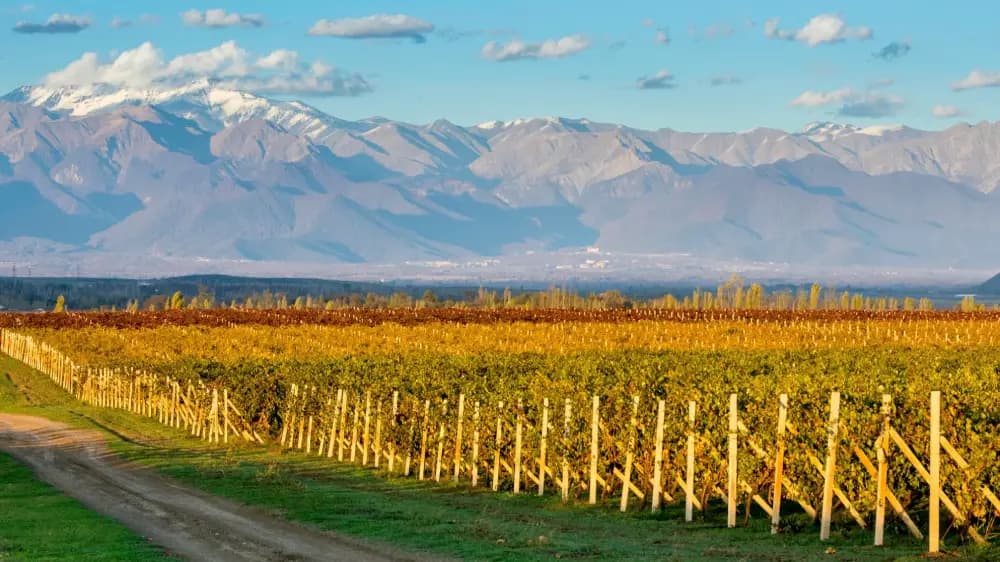
Nakhchivan’s natural landscape is defined by semi-desert plains, dramatic mountain ranges, mineral springs, and salt caves. The region experiences a dry continental climate, offering clear skies and scenic views throughout the year. One of the most unique natural attractions is Duzdag Salt Cave, famous for its therapeutic properties and used for health tourism, especially for respiratory treatments. The Alinja Mountain and surrounding areas provide impressive panoramic views and hiking opportunities. Rivers, canyons, and mineral water sources further enrich Nakhchivan’s diverse natural environment.
Tourist Sights
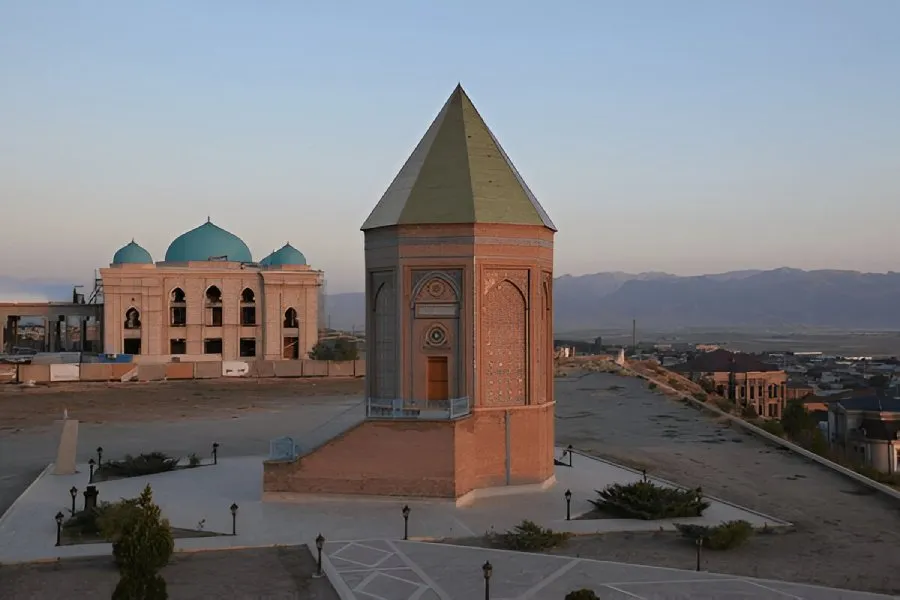
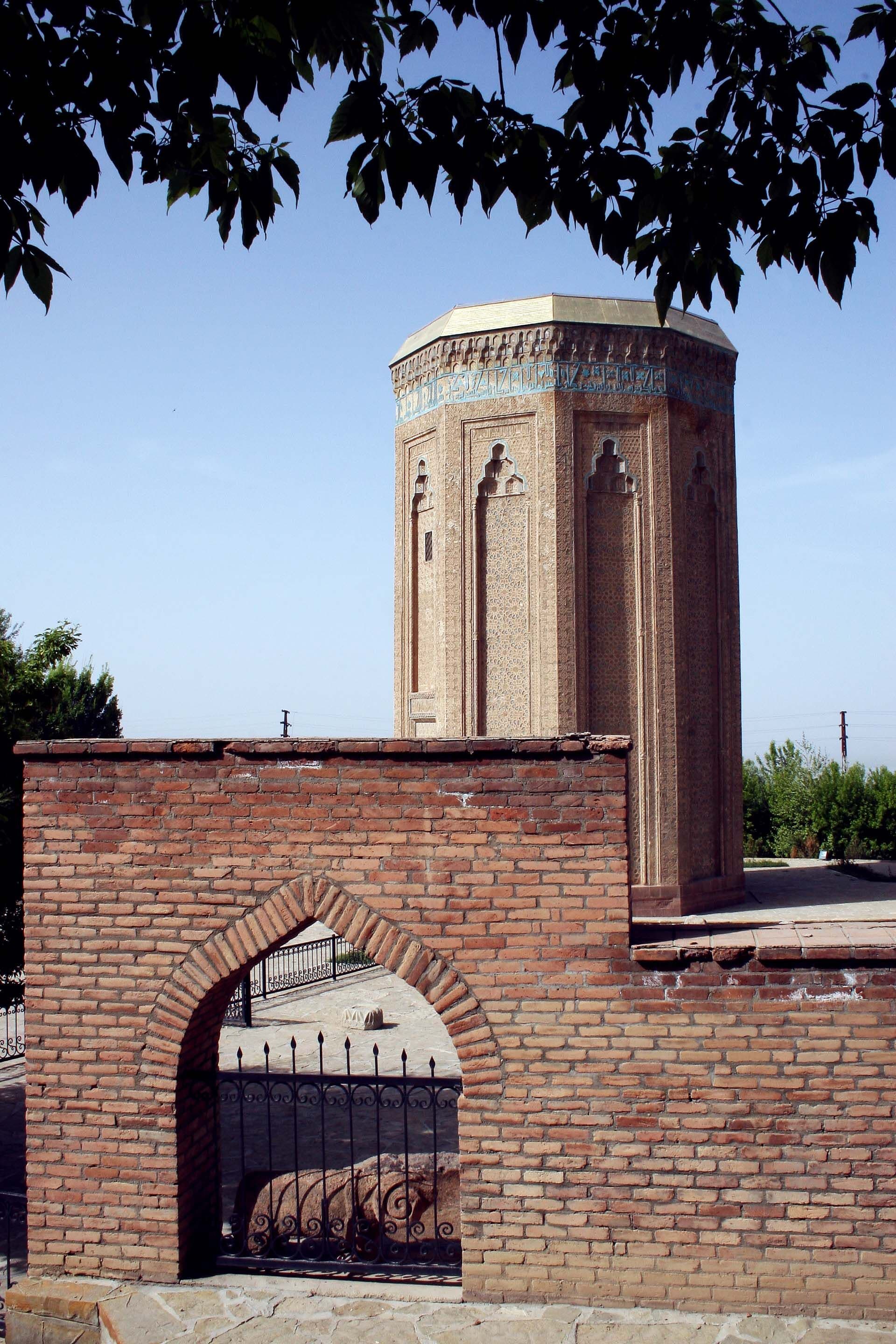
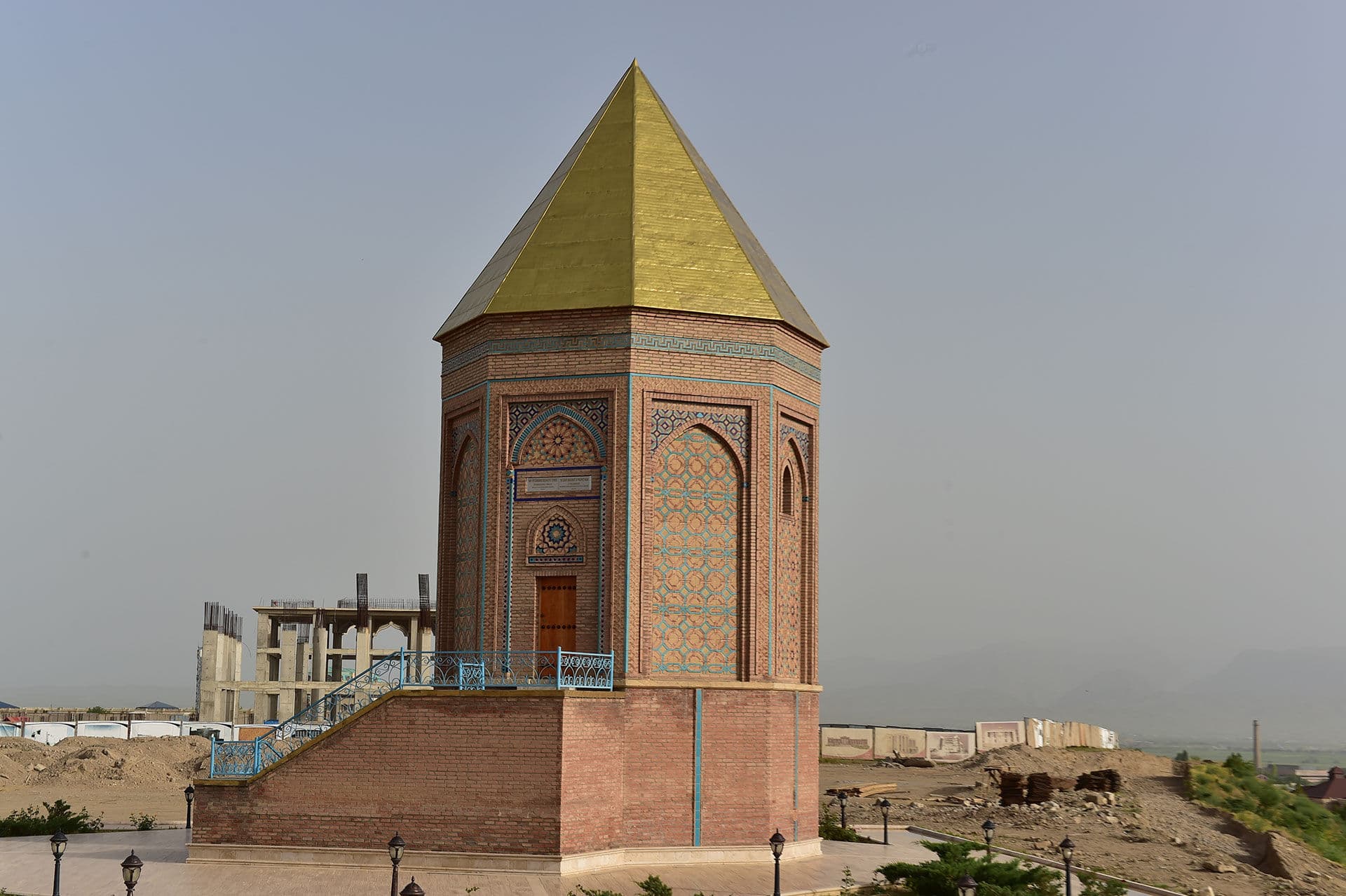
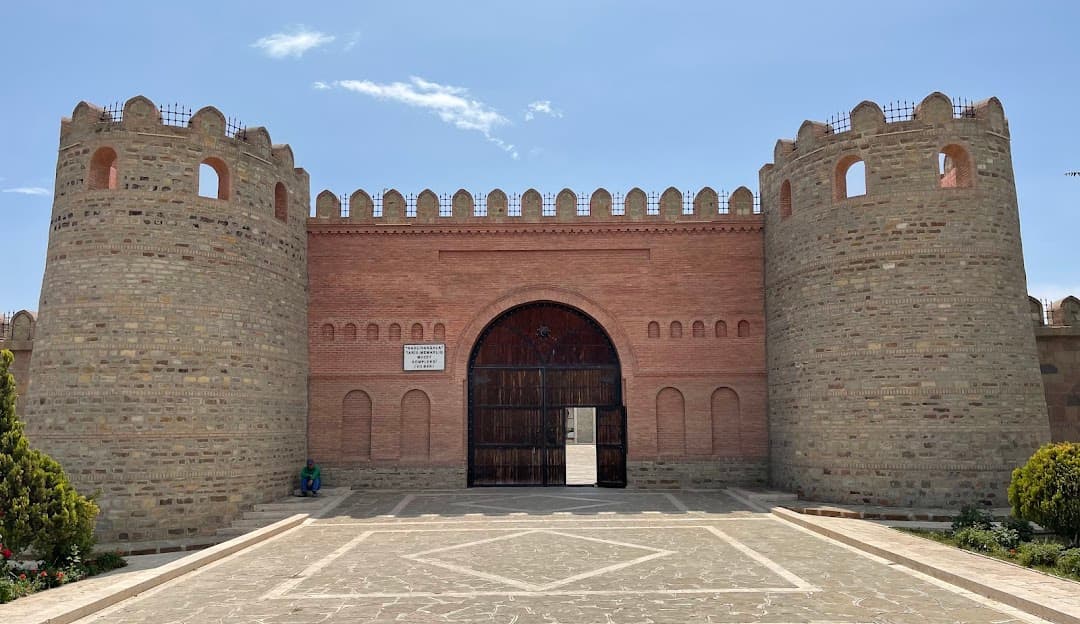
Nakhchivan is home to some of Azerbaijan’s most important historical and architectural landmarks. The Momine Khatun Mausoleum, a masterpiece of medieval architecture, is one of the region’s most iconic sights. The legendary Alinja Castle, located high on a rocky mountain, offers breathtaking views and a glimpse into ancient defensive architecture. Visitors can also explore the Noah’s Mausoleum, Khan Palace, and various ancient mosques and caravanserais. Museums across Nakhchivan city provide valuable insight into the region’s rich history, craftsmanship, and cultural identity.
Best Time to Visit
The best time to visit Nakhchivan is from April to June and September to October, when temperatures are comfortable for sightseeing and outdoor exploration. Spring brings mild weather and blooming landscapes, while autumn offers clear skies and pleasant conditions. Summers can be very hot due to the dry climate, and winters are cold but suitable for travelers focused on cultural and historical tourism rather than outdoor activities.