
Shamakhi
Shamakhi Travel Guide | History, Nature & Best Time to Visit Azerbaijan
Overview
Shamakhi is one of the oldest and most historically significant cities in Azerbaijan, located west of Baku along the scenic route to Qabala and Sheki. Once the capital of the Shirvanshah State, Shamakhi has been an important cultural, scientific, and trade center for centuries. The city is known for its rich literary heritage, seismic history, and traditional architecture. Today, Shamakhi attracts visitors with its combination of historical landmarks, mountainous landscapes, and emerging wine tourism, making it a key destination for cultural and nature-focused travel in Azerbaijan.
Nature
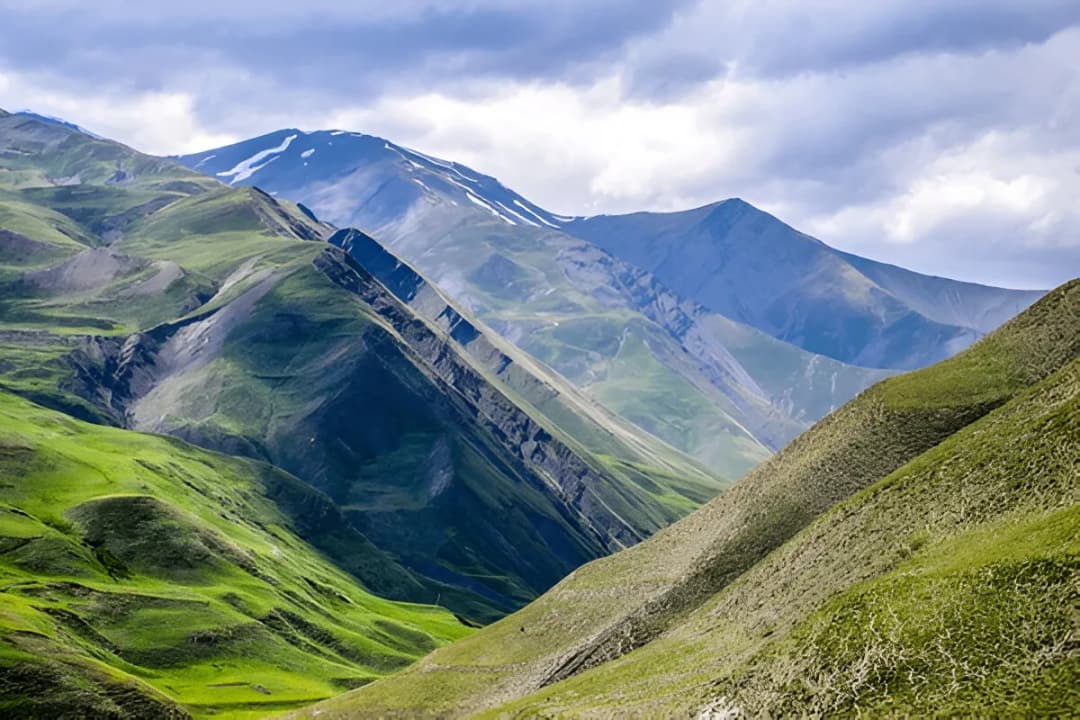
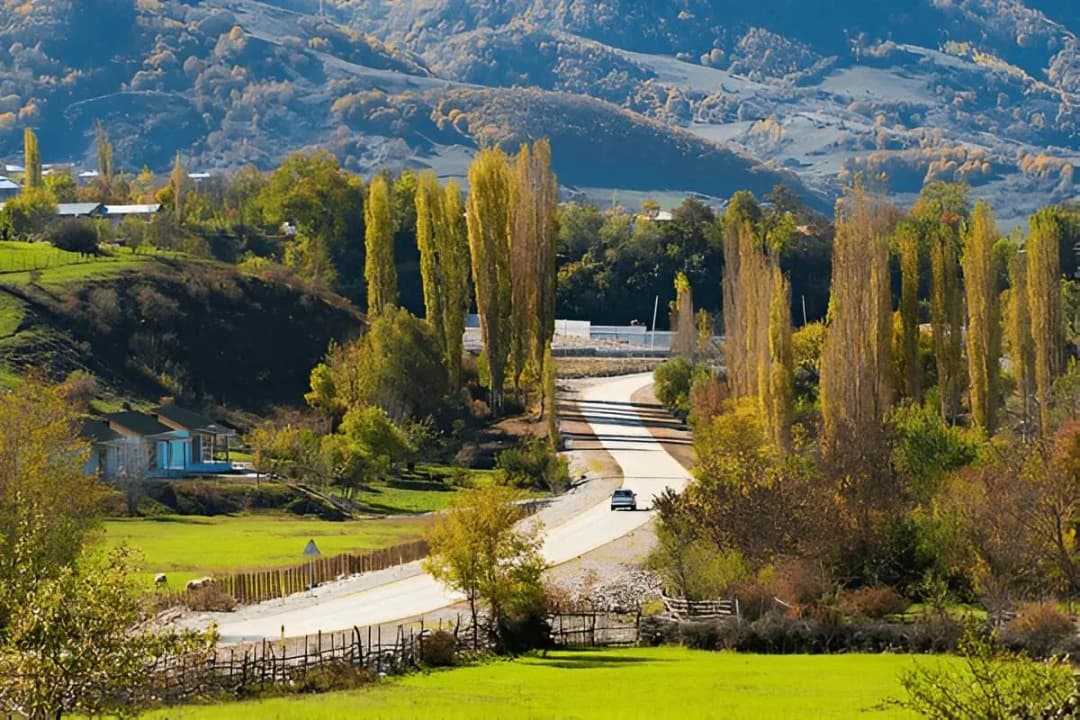
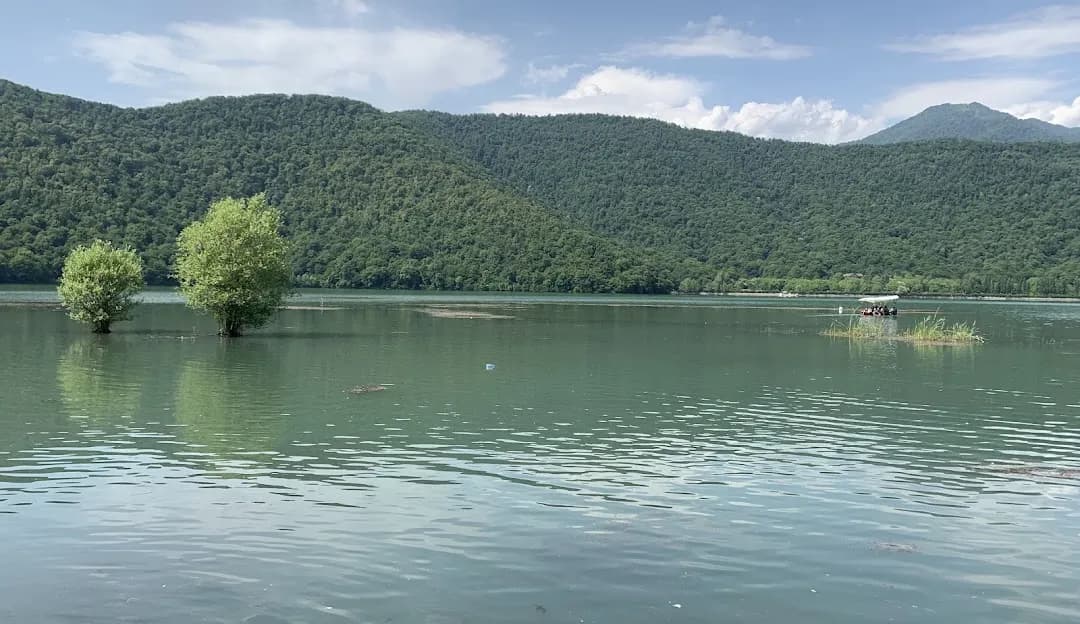
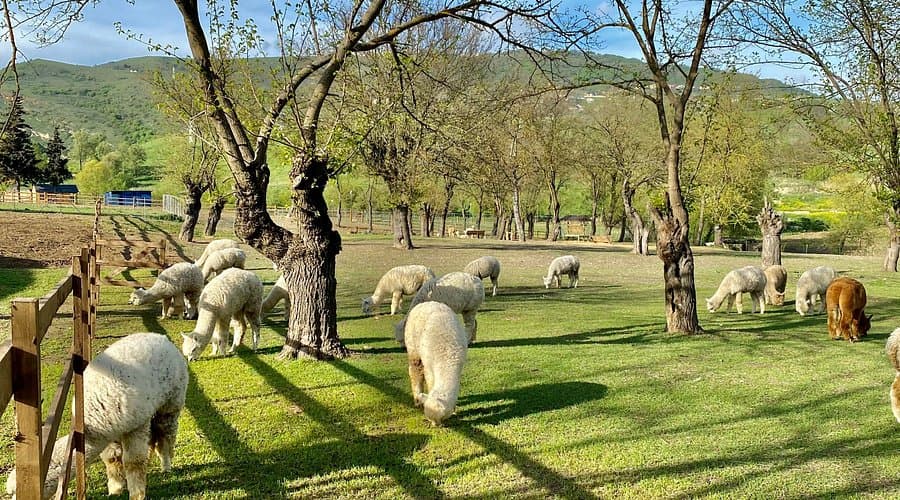
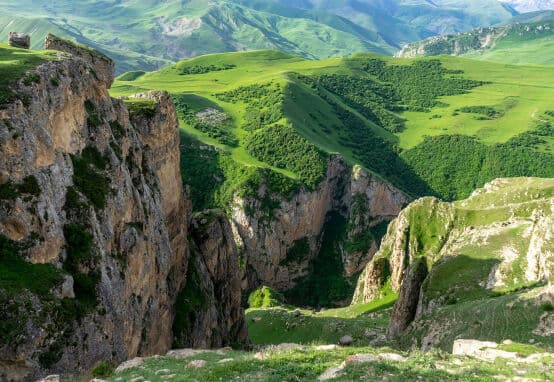
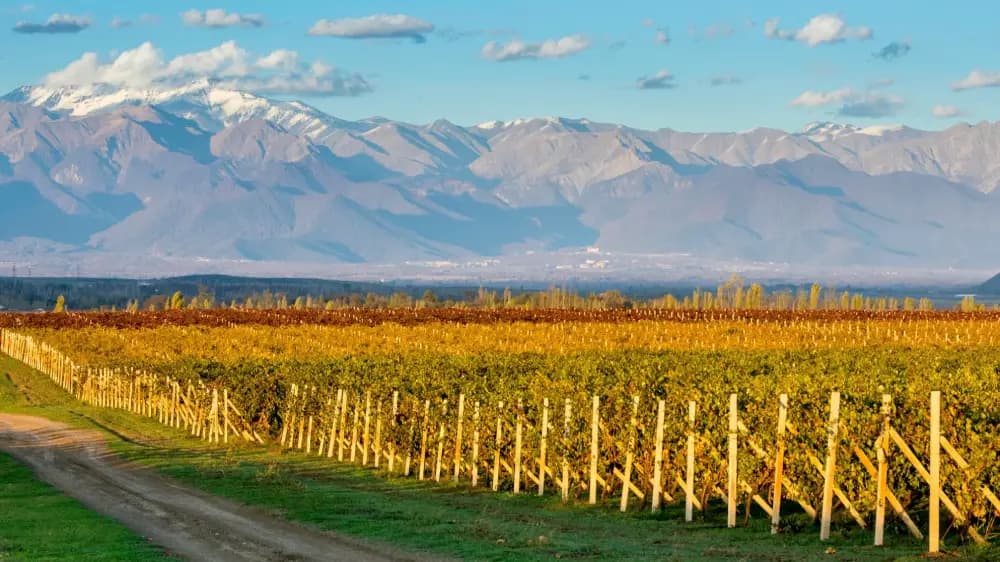
Shamakhi is surrounded by rolling hills, mountain slopes, and fertile valleys that create a calm and picturesque environment. The region enjoys a mild mountain climate, making it suitable for agriculture and vineyards. Scenic mountain roads, green pastures, and open landscapes dominate the area, offering great opportunities for photography and countryside walks. The nearby mountain areas provide fresh air and panoramic views, especially during spring and autumn. Shamakhi’s natural setting makes it a peaceful stop between Baku and northern mountain regions.
Tourist Sights
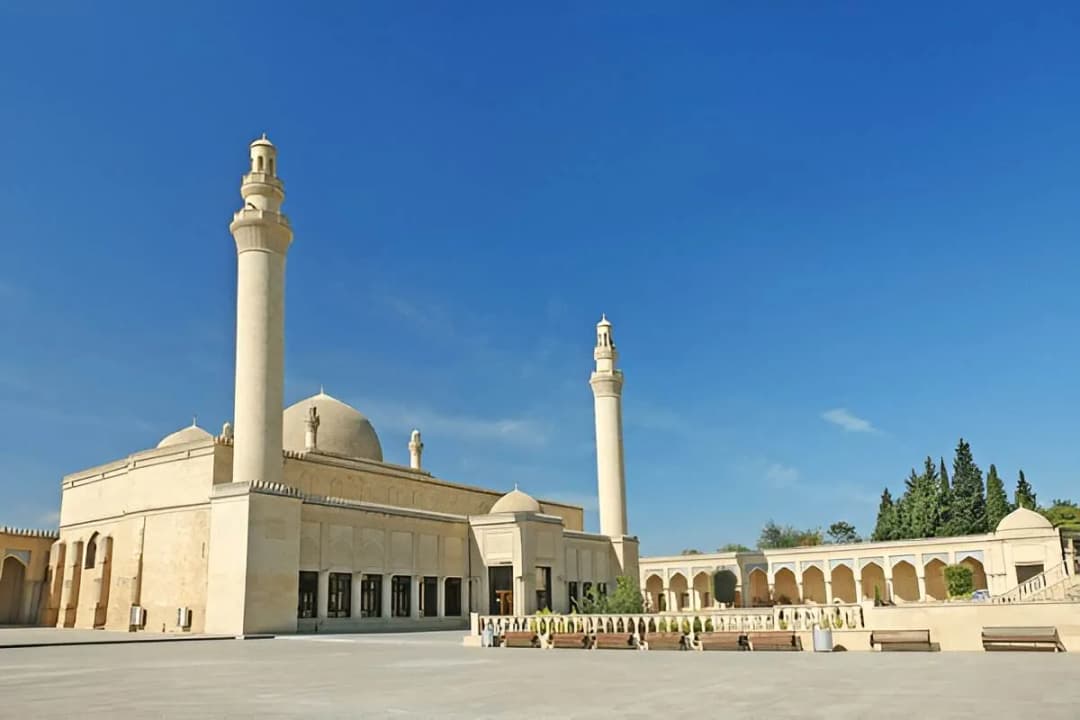
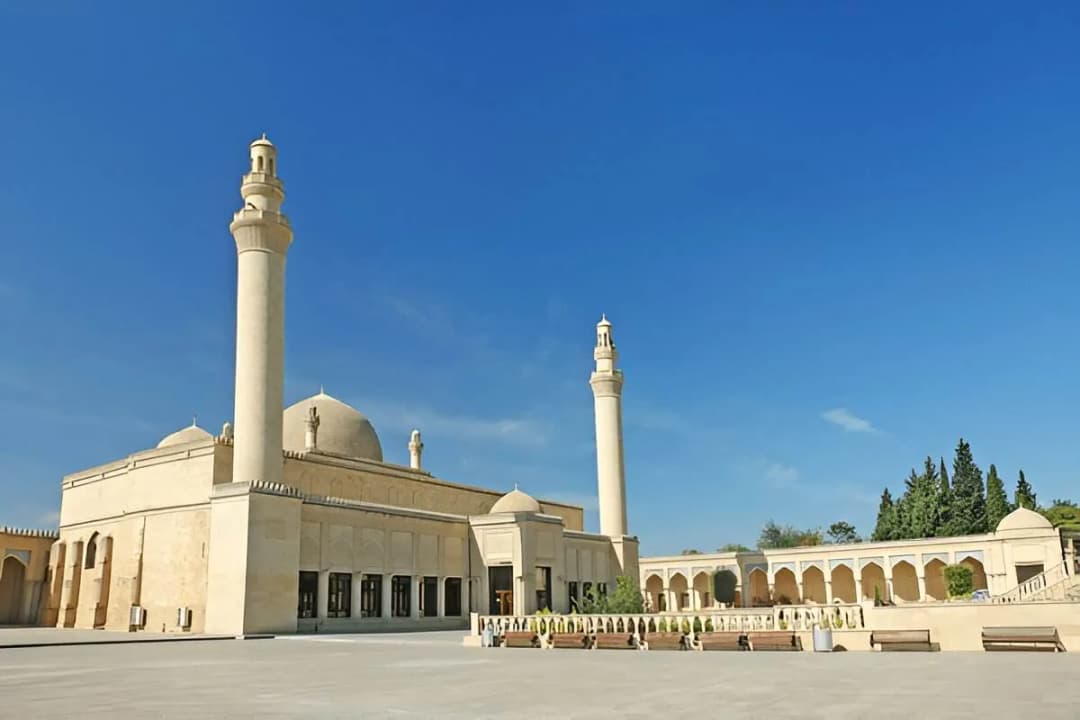
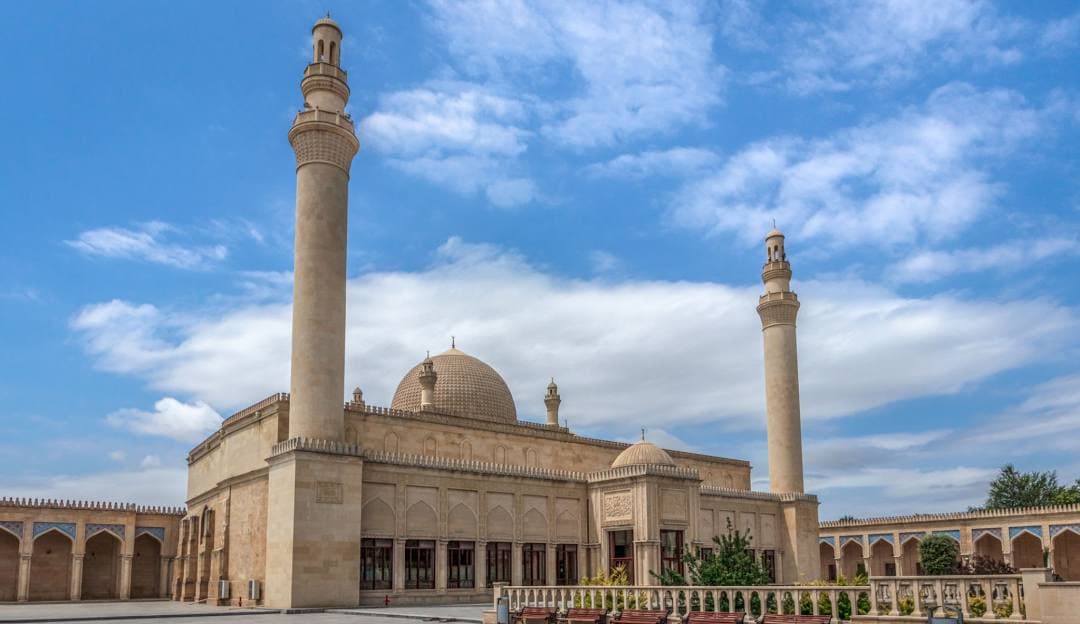
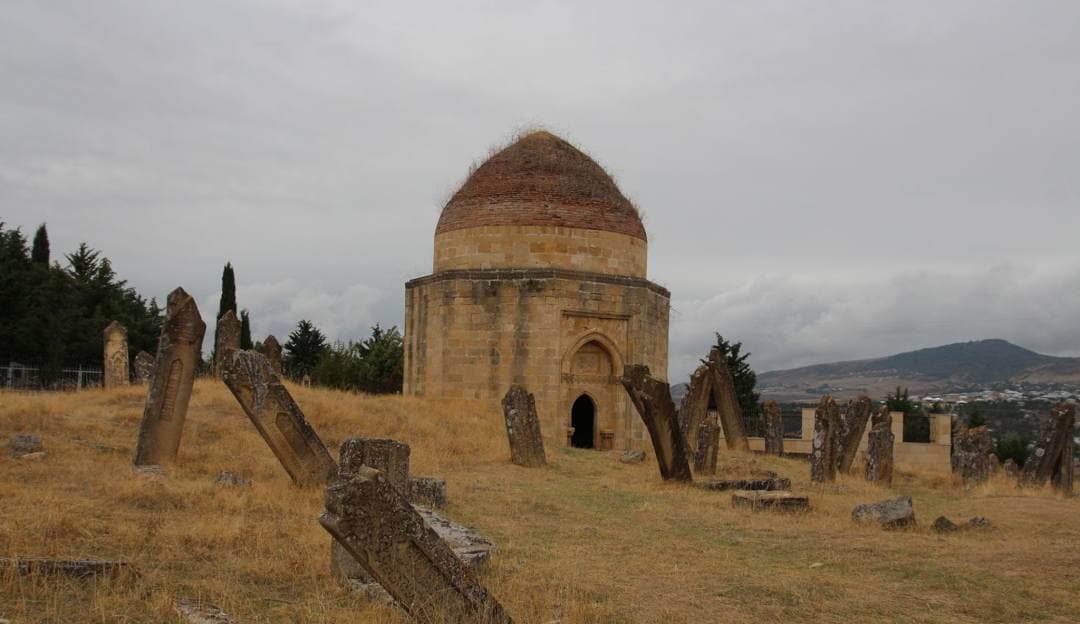
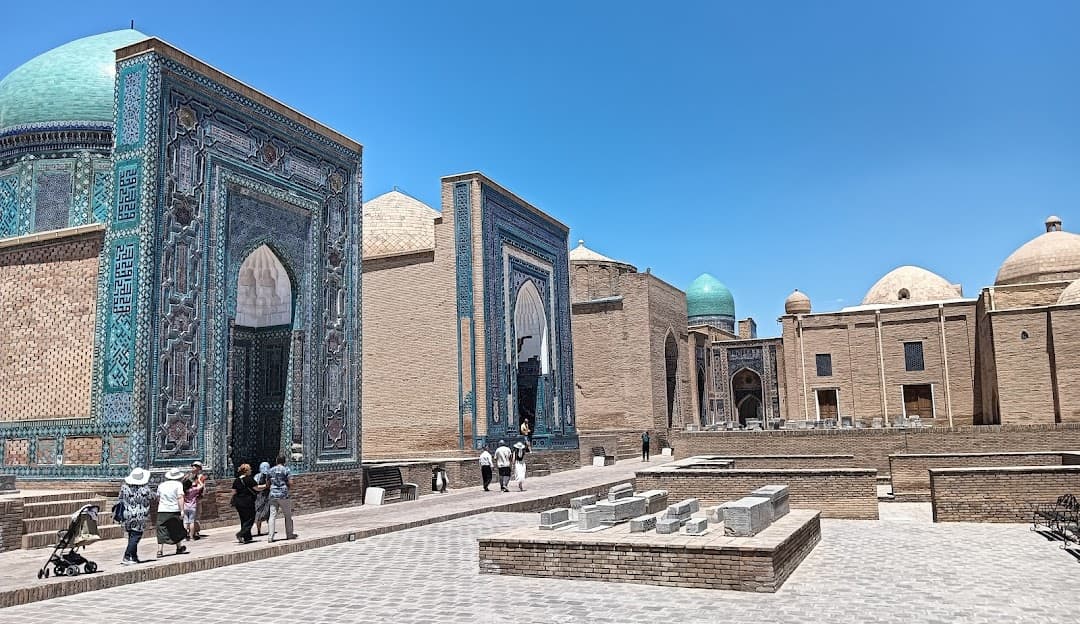
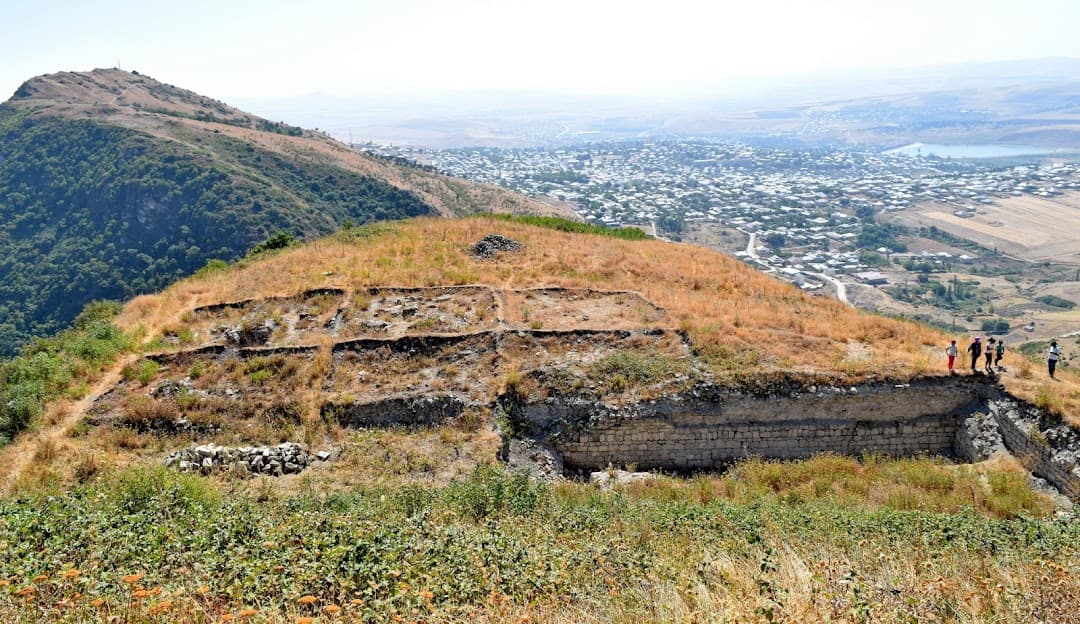
Shamakhi is home to several important historical and cultural landmarks. The Shamakhi Juma Mosque, one of the oldest mosques in the Caucasus, is the city’s most iconic attraction and a symbol of Azerbaijan’s Islamic heritage. Visitors can also explore the Yeddi Gumbez Mausoleum, where members of the Shirvanshah dynasty are buried. In recent years, Shamakhi has gained popularity for its vineyards and wine tourism, with several modern wineries offering tastings and tours. The city’s museums, old quarters, and surrounding villages provide deeper insight into local traditions and history.
Best Time to Visit
The best time to visit Shamakhi is from April to June and September to October, when the weather is mild and ideal for sightseeing and nature activities. Spring brings green landscapes and blooming surroundings, while autumn offers pleasant temperatures and vineyard harvest season. Summers can be warm but manageable due to the elevation, and winters are cool, best suited for travelers focused on cultural and historical exploration.